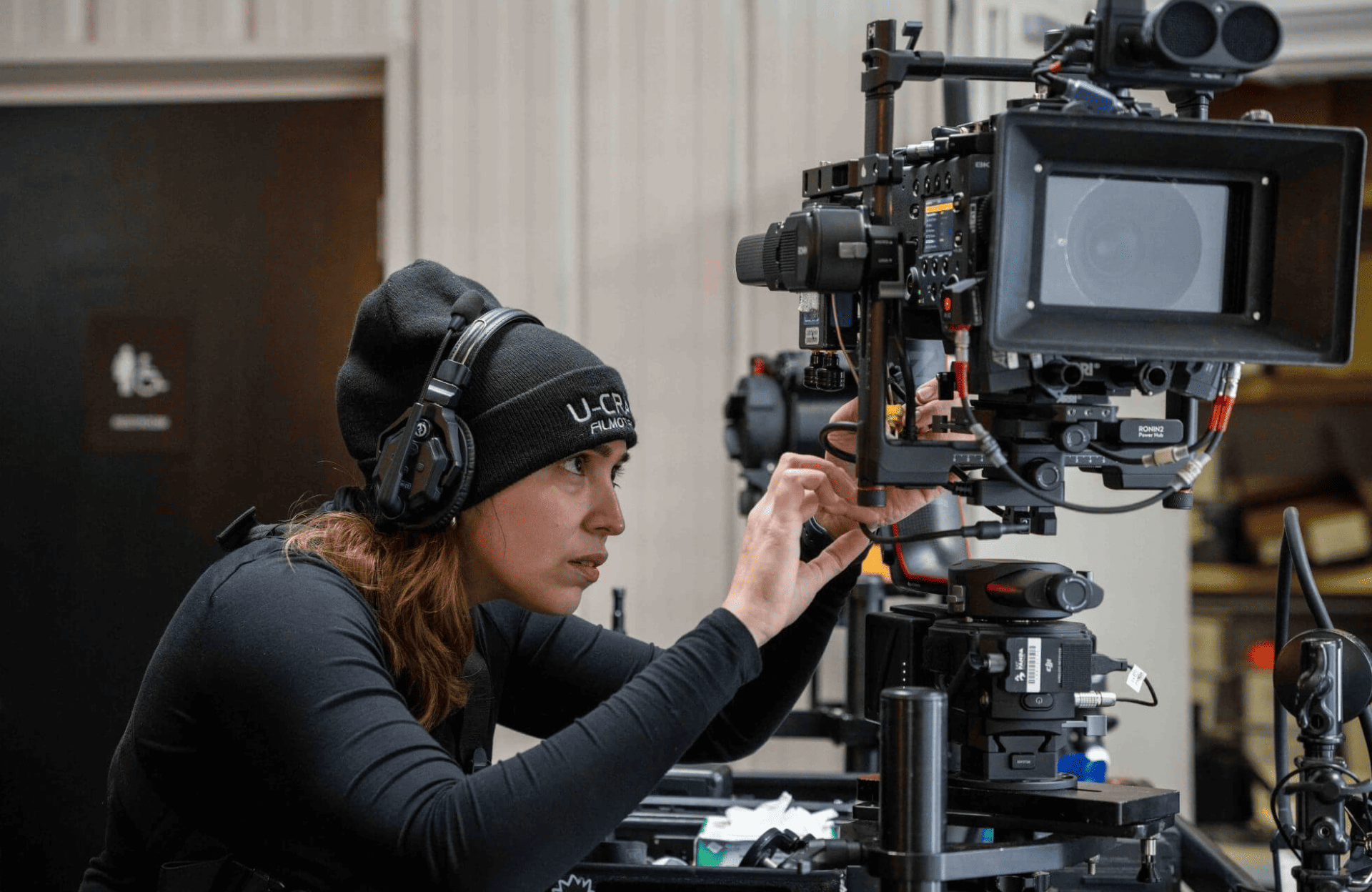
What is Cinematography
Cinematography involves creating motion pictures using a camera. Cinematographers capture still images exposed at a rate of 24 frames per second or more and project them in rapid succession, producing the illusion of continuous motion. To make this illusion smooth, some other factors such as motion blur, shutter speed, lighting, etc. also contribute significantly. Cinematography is not just an art of visual storytelling through motion. It also requires technical skills in lighting, camera mechanics, practice, and knowledge. In simple words, cinematography focuses on the visual aspect of filmmaking captured through the camera to visually convey a story and emotions.
Read more about key differences between Cinematography and Videography
What does a Cinematographer do?
A cinematographer, often called the Director of Photography, leads the camera and lighting crew. They shape the film’s aesthetic, ensuring that the visual architecture aligns with the director’s vision. From adding special effects to managing lighting, colors, and the overall look of each shot, they handle it all. There are different types of cinematographers such as narrative, documentary, commercial, etc.
Some of the key responsibilities of cinematographers are listed below:
Implement the Director’s Vision:
A skilled cinematographer may introduce new concepts and perspectives to the shots that the director might not have envisioned. By doing so, they can enhance the overall visual narrative, bringing fresh ideas to life and elevating the film’s storytelling.
Examine the Lighting:
Cinematographers meticulously examine the lighting of each shot to achieve the desired results set by the director. They adjust the lighting, colors, and contrast, enhancing the shots and optimizing the shooting environment to achieve the best visual outcome.
Camera Setup for Every Shot:
Cinematographers set up the camera for each shot by identifying the camera angles, lenses, techniques, and types of cameras that will capture the best shots.
Identify the Visual Style
Cinematographers also determine the visual style and approach of the film. For example, while filming a documentary, the director of photography decides whether to use actual footage of real events or recreate staged scenes.
Attend Rehearsals
One of the cinematographer’s most important responsibilities is attending rehearsals for the shots. They adjust the camera according to each shot, considering the actors’ positions and blocking, to capture the best shot possible.
Equipment
Along with the producer and director, choosing the right equipment for the right shot is the responsibility of the cinematographer. Equipment includes a camera, lenses, stabilizers, tripods, matte box, filters, etc.
Setting Up the Crew
The cinematographer is mainly responsible for setting up the best camera and lighting crew to achieve the best shots possible. The crew is the foundation of a strong cinematographer; therefore, they are highly selective in choosing their crew.
Evaluation of Locations
Once the shot location is finalized, the cinematographer evaluates and inspects the location to assess factors that may affect the shot’s quality, such as lighting, camera positions, and more.
Review Shots After Filming
Once the shooting is done, the cinematographer reviews the footage with the director and ensures the smooth and continuous motion of the scenes.
Different Types of Shots
There are different types of shots and angles used to achieve the desired results of the shots.

Closeup Shot
A closeup shot is a shot that closely focuses on the face of the actor or an object.
Extreme Closeup
An extreme close-up shot is a tightly framed close-up shot to add intensity to the shot.
Medium Shot
Medium shots capture an actor or character from waist up, adding sight details about the surroundings.
Low-Angle Shot
Low-angle shots are captured by placing the camera below the character or an object, enhancing the presence of the character or screen.
High-Angle Shot
High–angle shots are captured by placing the camera above the character or an object.
Establishing Shot
As the name suggests, this type of shot is used to establish the context of the scene and location.
Wide Shot
Wide shots capture the actor or character with its surroundings, giving a wider perspective of location and surroundings.
Long Shot
A long shot is the same as a wider shot. It covers a wider angle to give perspective about the environment and surrounding
Single Shot
A single shot refers to the shots or even films that are captured in a single shot without any interruption or cuts.
Extreme Long Shot
In extreme long shots, a character is shot from such a really long distance that they either completely merge into their surroundings or become a small part of them.
POV Shot
Point-of-view shots are captured from the perspective of a specific character or actor, creating a fascinating view for the audience.
Crane Shot
Crane shots are overhead shots that are captured from the air or a moving crane. They are used to create the aerial view.
Drone Shot
Similar to crane shots, drones are also overhead shots used to capture aerial views. They are captured through drones, also known as unmanned aerial vehicles (UAV).
Top 5 Cinematographers Who Have Worked in Canada
Here is the list of the top 5 cinematographers who worked extensively in canada.
- Roger Deakins
- Greg Middleton
- Steve Cosens
- Guy Godfree
- Catherine Lutes
Conclusion
Cinematography is a skill that takes years of hard work, consistency, and patience to develop. It plays a crucial role in filmmaking, adding emotion to the story through the lens of the camera. A cinematographer, commonly known as the Director of Photography (DP), ensures the film achieves its intended concept using techniques like focusing on lighting, selecting the best crew, choosing the right equipment, evaluating shot locations, and participating in rehearsals. For more inspiration, check out the 5 best cinematographers here.