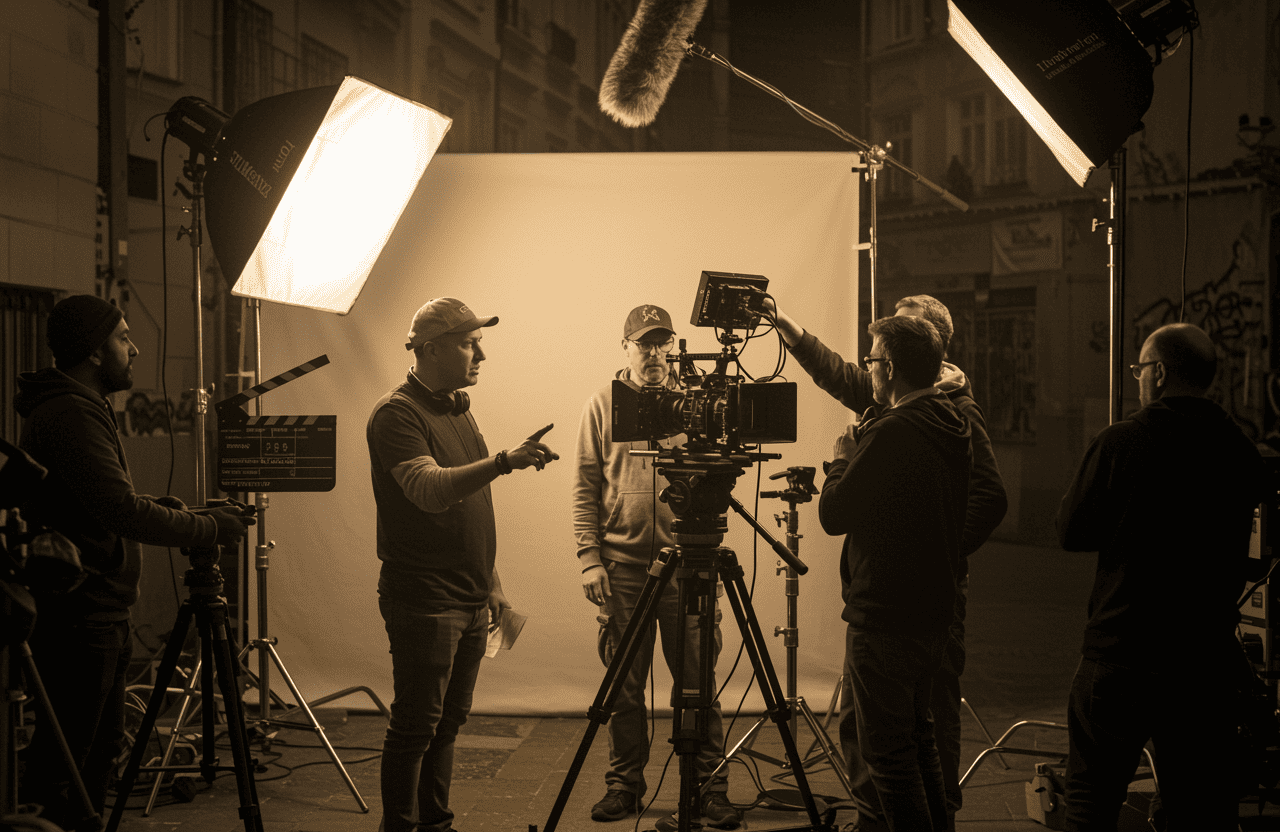
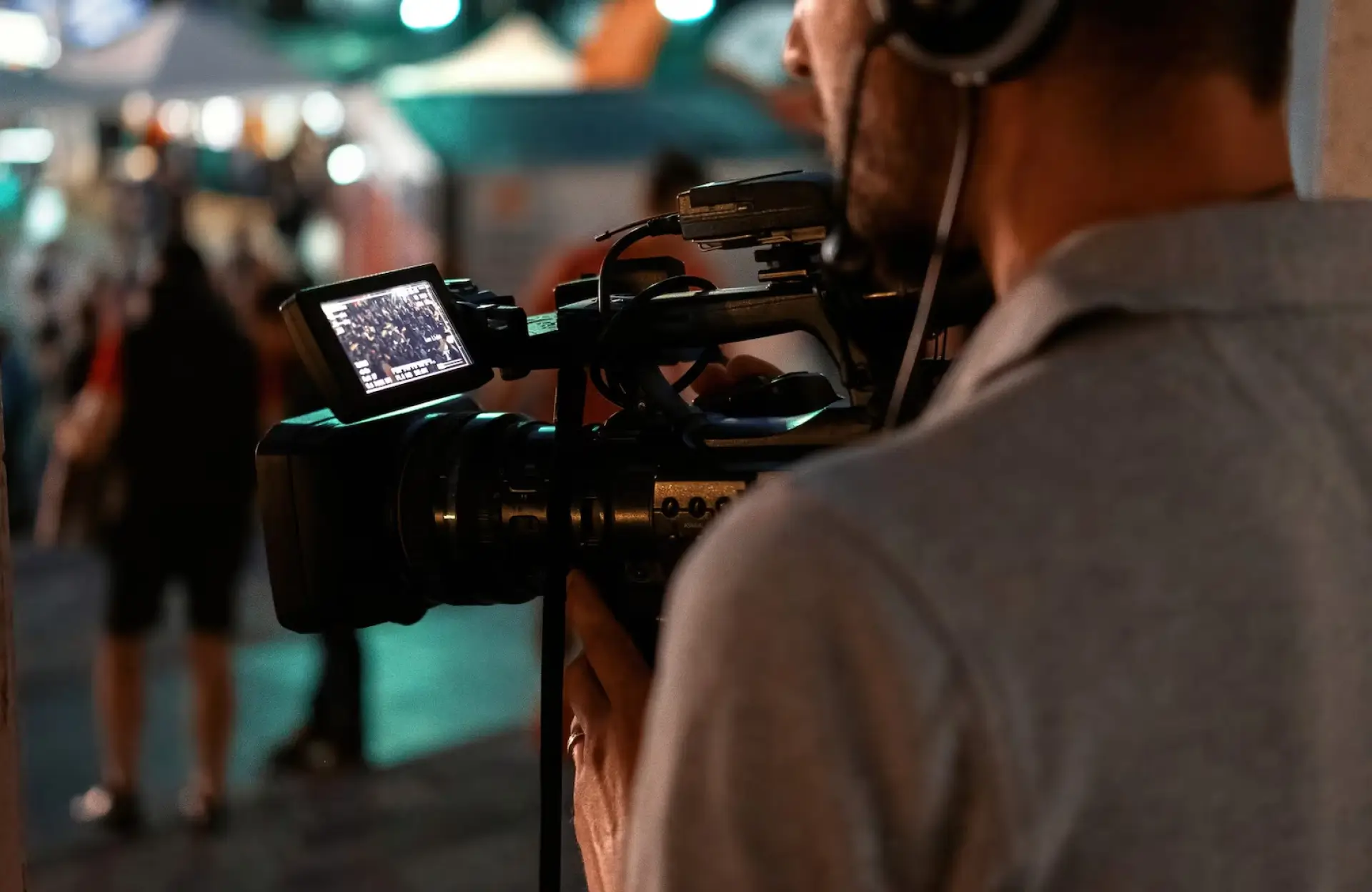
Visually polished video has become the baseline expectation. What separates video that performs from video that simply looks good is a disciplined production process built around strategic intent. This post breaks down how strategic video production in Toronto actually works, why process is the real driver of results, and what FX Productions Canada does differently to protect creative outcomes from brief through delivery.
When Aesthetics Come First, Performance Suffers
There is no shortage of visually impressive video content in the market. What remains genuinely scarce is video that does what it was built to do. Many brands have experienced the gap firsthand: they invested in content that looked cinematic, received it on time, and then watched it fail to generate the engagement or conversions it was designed to produce.
The pattern is consistent. A vendor pitches ambitious visual concepts. The production looks compelling. Stakeholders approve enthusiastically. Then the video is distributed and nothing moves. Audiences scroll past it. Conversion rates are flat. The brand is left wondering whether video was the wrong investment.
It was not the wrong investment. It was the wrong process. At FX Productions Canada, we see this outcome regularly with brands who come to us after aesthetics-first production experiences. The problem is almost never talent. It is the sequence in which creative decisions are made.
What Aesthetics-First Production Actually Looks Like
Agencies that prioritize aesthetics over strategy tend to follow a recognizable sequence:
- The client is pitched on an ambitious, visually striking concept
- Production looks impressive but the messaging does not communicate clearly
- Late-stage stakeholder feedback produces misalignment and scope creep
- Revision cycles extend beyond budget and timeline
- The final video looks polished but fails to produce measurable results
None of these outcomes happen because the agency lacks production capability. They happen because the aesthetic vision was developed before the strategic foundation was established. According to the Association of National Advertisers, production-first approaches to video consistently produce lower ROI than strategy-first approaches regardless of the production quality achieved.
Process Protects What Matters Most in Video Production
A well-designed production process is not bureaucracy. It is a protective structure that shields the things most likely to be compromised under deadline pressure and stakeholder scrutiny.
At FX, our production process is designed specifically to protect:
- Creative ideas from being diluted by unstructured feedback
- Budgets from scope creep caused by unresolved pre-production decisions
- Deadlines from the revision cycles that undefined processes create
- Client relationships from the frustration that poorly managed production causes
- Final creative output from the gap between what was approved and what was delivered
None of this requires slowing down or adding layers of approval. The right process actually accelerates production by eliminating the decisions that get made repeatedly because they were never properly resolved the first time.
Strategic Video Production Defines Success Before Style
The most important question in strategic video production is not “what should this video look like?” It is “what does this video need to accomplish?” Those are different questions and they lead to very different production outcomes.
At FX Productions Canada, every project begins with a strategy-first session that works through the foundational variables before any creative direction is considered. Platform and distribution context, audience definition, tone, and measurement criteria are all established before style references are reviewed. When those answers are in place, the visual and creative decisions that follow have clear criteria to be evaluated against.
This is what strategic video production in Toronto means in practice. Not a video that looks strategic. Video that was built around a strategy from the first planning conversation.
The Four Pre-Production Parameters That Drive Better Results
FX structures every project around four pre-production parameters that must be agreed upon before production planning begins. Each one eliminates a category of decisions that would otherwise generate revision cycles later:
Goals
Why is this video being produced? What specific outcome should it generate? A video produced to build brand awareness requires a fundamentally different creative approach than one built to drive direct response. Ambiguity here produces content that tries to do everything and accomplishes nothing.
Tone
What should this video feel like to the viewer? Confident and authoritative? Warm and approachable? Aspirational and cinematic? Tone guides every production decision from casting and performance direction to colour grade and music selection. Without it, those decisions default to personal preference.
Boundaries
What are the hard limits? What cannot change? Brand restrictions, audience sensitivities, distribution platform requirements, and budget parameters all define the boundaries within which creative decisions are made. Establishing these upfront prevents the late-stage changes that derail timelines.
Success
What does a successful final video actually look like? How will it be measured? When everyone involved in the production has a shared and specific definition of success, every cut, every revision request, and every approval decision has an objective reference point.
Establishing these four parameters before production begins is what allows the FX production team to make faster creative decisions without requiring constant stakeholder input. Less context switching equals faster turnarounds and cleaner results.
Understanding Why Before Getting Ambitious
Ambitious visual production is not inherently a problem. Some of the most effective brand video in the market is also the most visually inventive. The issue is not ambition. It is ambition without strategic grounding.
Consider how the most unconventional and visually distinctive film projects work. Unusual camera choices, unexpected editing rhythms, bold sound design. These elements succeed not despite the commitment to a defined creative purpose but because of it. Every unconventional decision serves the story and the intended audience experience. The production choices are not random. They are disciplined expressions of a clear intent.
If you want visually ambitious video production for your brand, that is absolutely achievable. The precondition is knowing exactly why you want it and building the production logic around that answer before a single frame is planned. That is what distinguishes intentional creative ambition from production for its own sake.
Control the Process, Control the Outcome
The difference between a production team that delivers consistently and one that delivers inconsistently is almost always the level of control they maintain over their process. More specifically, it is the number of unresolved variables that enter the production phase.
FX Productions Canada manages every component of the production workflow internally: research, creative development, scripting, pre-production planning, filming, drone operations, and post-production. That end-to-end control means there are no handoffs between departments where context gets lost and creative intent gets diluted.
When one team controls the full process from first brief to final delivery, every decision builds on the last. The production does not have to restart its strategic understanding at each new stage. The result is content that feels cohesive, purposeful, and true to the original brief, qualities that are difficult to achieve across fragmented vendor workflows regardless of individual team quality.
Case Study: Uniqlo E-Commerce Video Production
Process-led production produces measurable outcomes. A useful example is the e-commerce video project FX Productions completed for Toronto-based clothing retailer Uniqlo. The brief called for video content that was engaging, visually compelling, and consistent with Uniqlo’s established brand identity.
Before filming began, the full team aligned on objectives, target audience, tone, visual approach, colour grading direction, and music. Every variable was resolved in pre-production rather than during the edit. The result was a production process that stayed on schedule, generated minimal revision rounds, and produced content the client approved faster than anticipated.
The project outcome was strong enough that Uniqlo scheduled a content refresh. That is the practical result of process-led video production in Toronto: less friction, faster delivery, and content that earns repeat investment because it performs.
Why Process Makes Creativity More Possible, Not Less
There is a persistent assumption that structured production processes constrain creative output. The reality is the opposite. Process is what makes genuine creative ambition sustainable.
When strategic parameters are clearly defined, creative teams are freed to make bold decisions within that framework without fear of producing something that misses the brief. Without those parameters, teams default to conservative choices because they have no clear criteria for evaluating creative risk. Safety becomes the default because ambiguity makes creative confidence impossible.
Research published by the Harvard Business Review has consistently found that creative teams operating within clearly defined constraints produce more innovative and higher-quality output than teams given unlimited creative latitude. Constraint forces discipline. Discipline produces distinctive work. This is why process and creativity are not competing priorities. They are interdependent ones.
Process Is What Lets a Team Move Fast Without Breaking Things
Speed in video production is a product of pre-production clarity, not production hustle. Teams that move quickly through production and post do so because the decisions that would otherwise slow them down were made before the camera rolled.
At FX, our structured process eliminates the ambiguity that generates delays. Scoping is precise because objectives are clear. Creative decisions are made quickly because the strategic parameters that govern them are established. Revision rounds are minimal because early cuts are built around the agreed brief rather than sent out as options for reaction.
For clients working with tight timelines or managing multiple video projects simultaneously, that operational discipline is as valuable as the creative output itself. Our corporate video production clients and commercial production partners both benefit from the same underlying process structure.
What Strategic Video Production in Toronto Looks Like in Practice
The brands that get the most consistent and measurable results from their video investment share a common characteristic: they chose a production partner who treated process as seriously as production capability. They did not choose the most visually ambitious pitch. They chose the team that asked the most intelligent questions before any production decisions were made.
FX Productions Canada is that team. Whether the project is a single brand film, an ongoing content series, or a campaign with multiple deliverables, we build the same strategic foundation at the start of every engagement. It is what makes our work reliable, our timelines predictable, and our results defensible.
Frequently Asked Questions
1. What is strategic video production and how is it different from standard video production?
Strategic video production means every production decision is made in service of a defined business goal rather than aesthetic preference. Standard video production delivers a technically capable video. Strategic video production delivers a video built to achieve a specific outcome and measurable against a defined standard of success.
2. Why does the production process matter as much as production quality?
Production quality determines how the video looks and sounds. The production process determines whether the video does what it was built to do. A visually polished video built without a strategic foundation will consistently underperform a less technically perfect video built around a clear intent. Process is what connects production effort to business outcome.
3. What are the four pre-production parameters FX builds every project around?
Goals, tone, boundaries, and success. Goals define the specific outcome the video needs to produce. Tone defines how the video should feel to the viewer. Boundaries define the hard limits within which creative decisions are made. Success defines what a good final video looks like and how it will be measured.
4. Does a structured process limit creative ambition?
No. It does the opposite. Clearly defined strategic parameters free creative teams to make bold decisions within that framework without the risk of producing something that misses the brief. Ambiguity is what produces conservative creative choices. Clarity is what makes creative confidence possible.
5. How does end-to-end production ownership affect project outcomes?
When one team controls every stage of the production from creative development through post-production, strategic context is preserved throughout the process. There are no handoffs where intent gets lost or reinterpreted. The brief that was agreed on in pre-production is the brief that drives the final cut.
6. How does FX Productions handle projects with tight timelines?
Our pre-production discipline is specifically designed to compress timelines by eliminating the ambiguity that generates delays. When goals, tone, boundaries, and success criteria are established upfront, every subsequent decision is faster. Revision rounds are shorter because cuts are built intentionally rather than sent as options.
Build Video Production Around a Process That Performs
If your video content looks good but is not producing results, the process is worth examining before the next project begins. FX Productions Canada is built to deliver differently: strategy first, production second, and a workflow that protects creative intent from brief through final delivery. Reach out to our Toronto production team and let’s talk about what strategic video production looks like for your brand.
Key Takeaways
- Aesthetics-first production consistently produces video that looks good but fails to perform against business goals.
- Process protects creative ideas, budgets, deadlines, and final output quality from the risks that unstructured production creates.
- Strategic video production defines success before style, so every creative decision has a clear purpose.
- Four pre-production parameters (goals, tone, boundaries, success) eliminate the ambiguity that generates revision cycles.
- End-to-end production ownership means strategic intent is preserved from the first brief through final delivery.
- Structured process enables faster production, not slower, because decisions are made once rather than repeatedly.